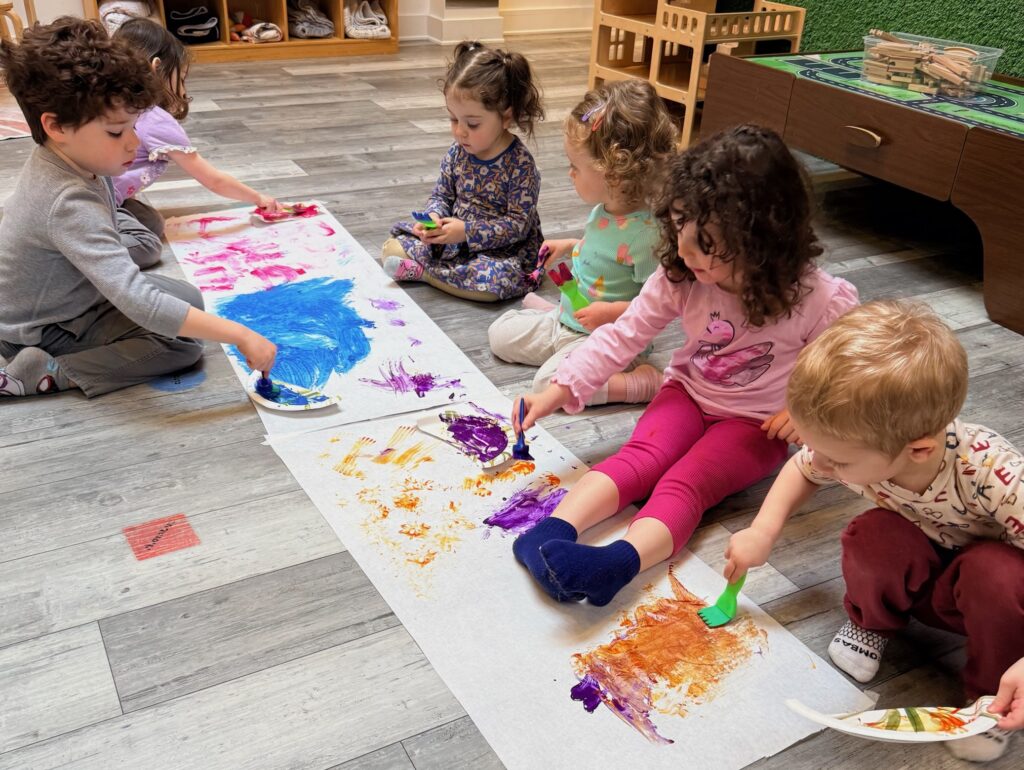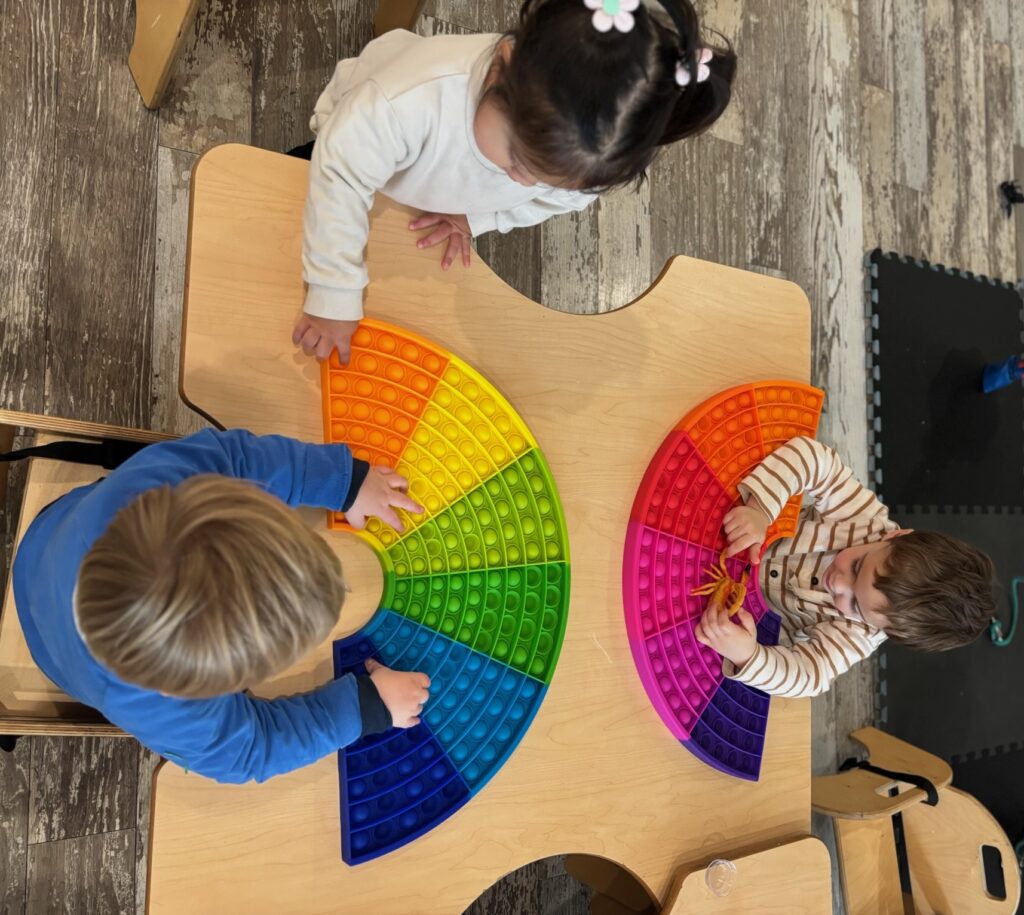

There’s a reason the best early childhood education programs in Sherman Oaks keep art at the center of the day — and it has everything to do with how young brains are wired. A child gripping a crayon isn’t just making a mess. They’re building cognitive architecture that shapes how they’ll learn, communicate, and connect for the rest of their lives.
Here’s what the science actually says.
1. Art Activates Both Brain Hemispheres at Once
Most activities favor one side of the brain. Art engages both. The planning and sequencing of a creative project activates the logical hemisphere; the expression and emotional processing activate the other. When children draw or paint, they’re practicing the kind of whole-brain integration that underpins complex thinking, emotional regulation, and problem-solving.
According to researchers at the Harvard Center on the Developing Child, the early years are the single most critical window for building neural connections — and creative play is one of the most effective catalysts.
2. Fine Motor Skills Are Built Stroke by Stroke
Every time a child grips a crayon, cuts paper, or drags a brush across a canvas, they’re strengthening the small muscle groups that will later support writing, self-care, and coordination. These movements aren’t incidental — they’re fundamental.
Fine motor development doesn’t happen on command. It requires repetition, variety, and the motivation to try again. Art delivers all three.
3. Visual-Spatial Reasoning Gets a Real Workout
Imagining a picture before drawing it, deciding where objects go, adjusting proportions — these decisions build the visual-spatial reasoning skills that are foundational to math, reading, and STEM learning. Children who spend meaningful time in creative play consistently score higher in these areas as they move through school.
This is the kind of learning that happens at WeVillage every day. Explore our programs →
4. Art Builds Executive Function — the Brain’s “CEO”
Executive function governs planning, focus, impulse control, and the ability to shift between tasks. It’s one of the strongest predictors of long-term academic and social success — and art develops it naturally. Deciding what colors to use, staying focused on a project, working through frustration when something doesn’t turn out right: every one of these is executive function in action.
NAEYC notes that self-regulation skills formed in early childhood have lasting effects on school readiness and peer relationships — and that play-based learning environments are among the most effective settings for developing them.
5. Language and Memory Are Deeply Linked to Creative Expression
When a child explains their drawing, they’re not just showing off — they’re reinforcing vocabulary, building narrative skills, and activating memory networks. The act of reflecting on a creative project helps children internalize new words, connect concepts, and learn to express abstract ideas.
This is also why strong early childhood education programs use art not as a break from learning, but as a vehicle for it.
6. Emotional Regulation Starts at the Art Table
Creative play gives children a structured, low-stakes space to process big feelings. The quiet focus required for drawing or painting naturally engages the nervous system’s calming pathways. Over time, children who have regular access to creative expression develop greater emotional resilience — they learn to recover from frustration, tolerate uncertainty, and stay present.
These are not soft skills. They are the skills that determine how a child functions in a classroom, in relationships, and eventually, in the world.
7. Confidence Is Built Project by Project
Completing something — anything — gives young children a direct experience of their own capability. Art is one of the earliest places a child can make something that is entirely their own, evaluate it, take pride in it, and want to make the next one better.
That sense of self-efficacy compounds. Children who experience themselves as capable creators become children who take on challenges with more confidence and persistence.
Early childhood education in Sherman Oaks looks different depending on where you look. At WeVillage, creative learning isn’t a scheduled activity — it’s woven into how every day is designed.
Your village is waiting. WeVillage is early education designed for modern families. Schedule a Tour →