Preschool readiness isn’t about knowing the alphabet by heart. It’s about whether your child is ready to step into a structured learning community — and whether that community is ready to meet them where they are. For families exploring preschool readiness in Sherman Oaks, the question isn’t really “Is my child smart enough?” It’s “Is my child ready to grow?“
Here’s what to look for — and how to support the transition at home.
Why Preschool Readiness Matters More Than Age
The NAEYC has long emphasized that early childhood readiness is multi-dimensional — emotional, social, physical, and cognitive development all play a role. Age is a starting point, not a finish line.
When children enter preschool with a solid foundation across these areas, they’re able to engage fully: following routines, building friendships, and absorbing new experiences with confidence. That early foundation compounds. Children who feel prepared in their first school environment tend to approach future learning with openness rather than anxiety.
7 Signs Your Child Is Ready for Preschool
1. They Can Handle Short Separations
Your child doesn’t need to skip happily to the door on day one — but if they can manage brief goodbyes with a grandparent or trusted sitter without extended distress, they’re building the emotional resilience preschool requires.
2. They’re Beginning to Play Alongside Others
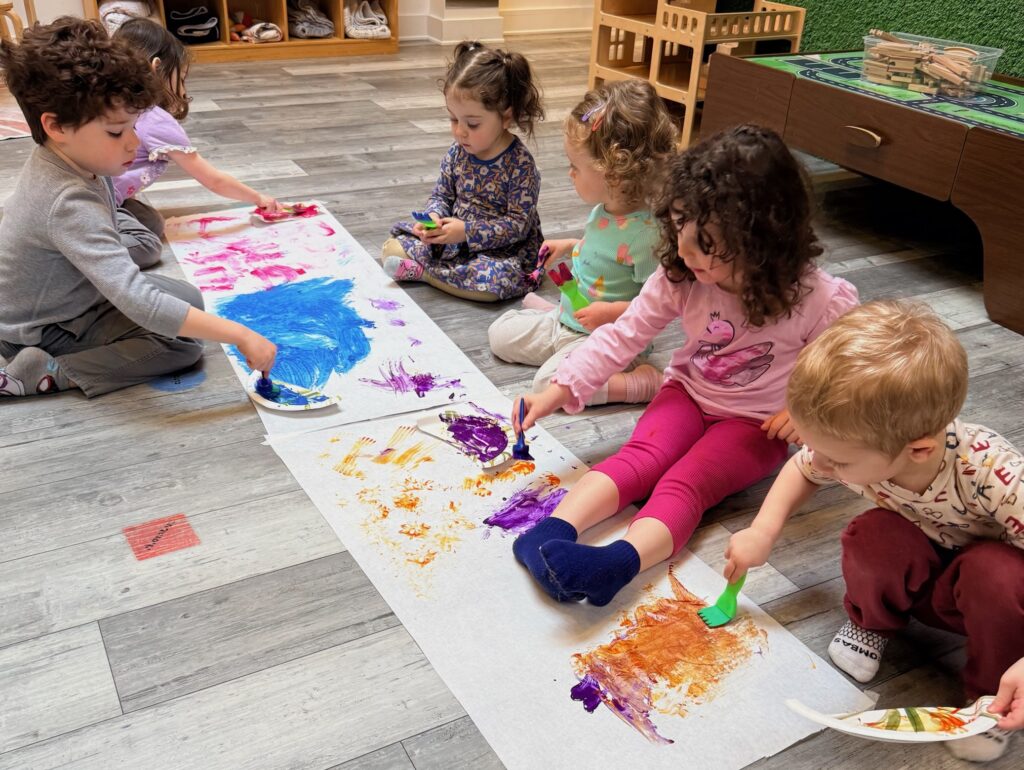
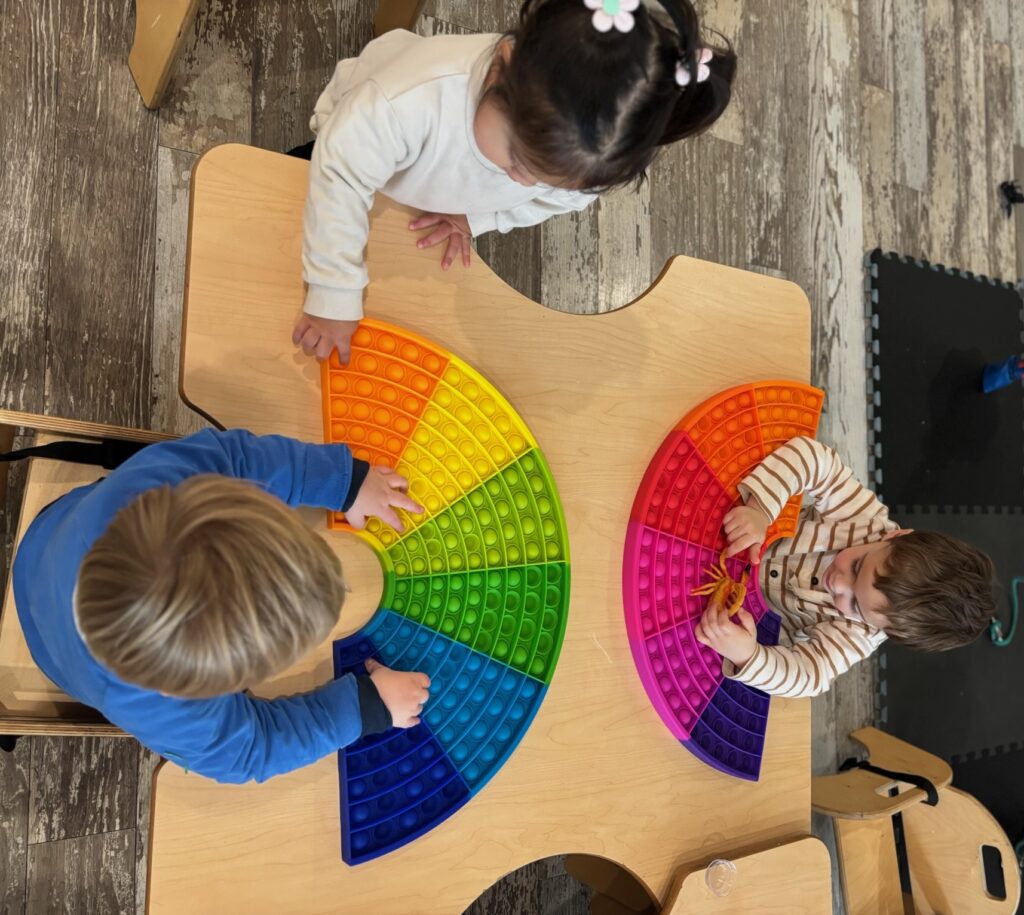
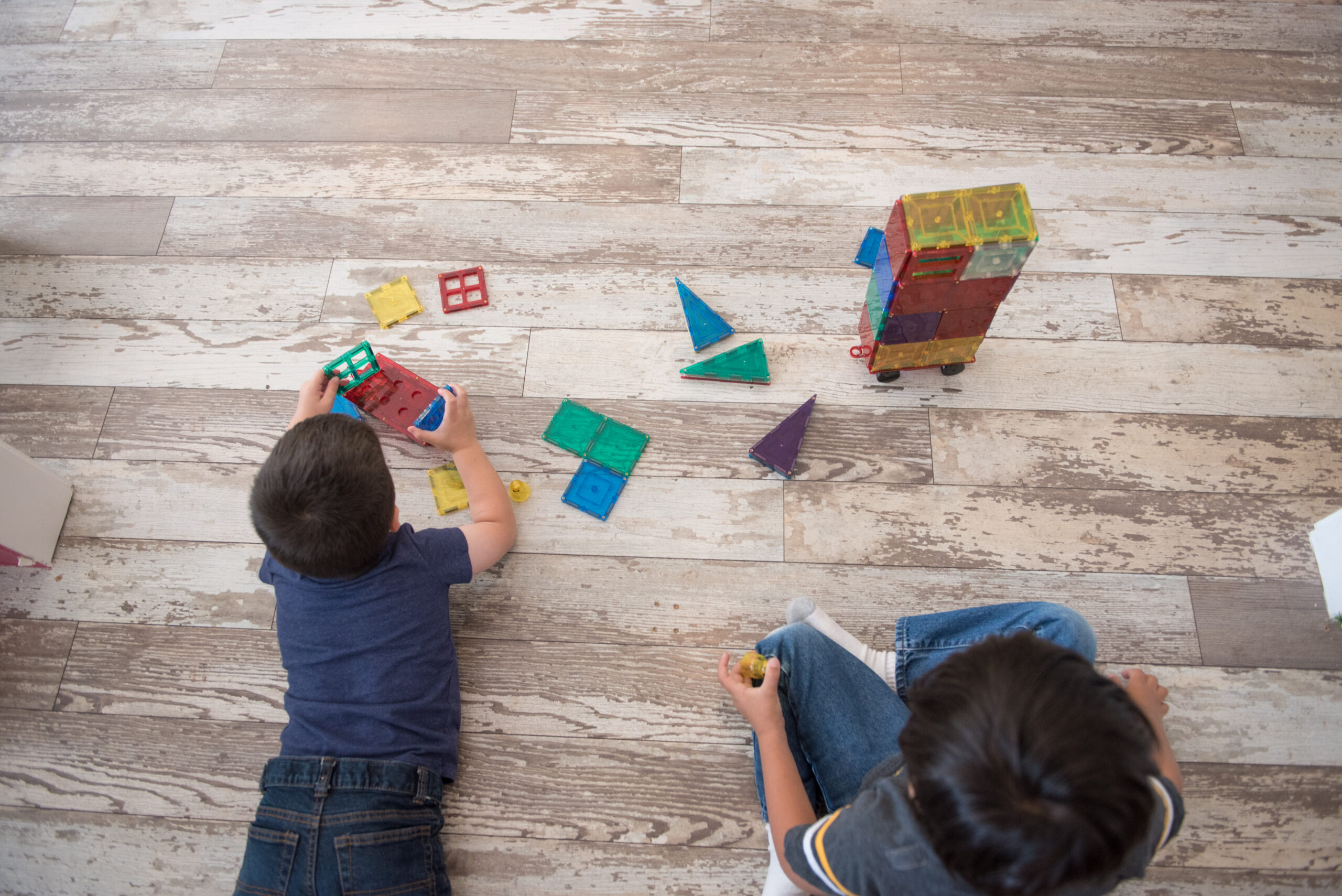
Parallel play — playing near other children, even without direct interaction — is a key developmental milestone. According to the CDC’s developmental milestones, this is healthy and expected at preschool age. Full cooperative play comes later.
3. They Can Express Basic Needs
“I’m hungry.” “I need to go to the bathroom.” “I need help.” These aren’t complex requests — but a child who can communicate them clearly will have a much smoother classroom experience.
4. They Can Focus for Short Stretches
Circle time, story time, snack — these require a child to stay engaged for just a few minutes at a time. If your child can sit through a short book or a simple game, they have what they need.
5. They’re Developing Basic Self-Care Skills
Washing hands, using the toilet independently, opening a lunch container — these milestones matter in a classroom setting where teachers are supporting many children at once. They don’t need to be mastered, but children should be working on them.
6. They’re Curious About Learning
This one is less about skill and more about disposition. A child who asks questions, explores their environment, and shows interest in books, puzzles, or art is primed for the kind of curiosity-driven learning that great early education programs build on.
7. They Respond to Simple Routines at Home
Children who already expect predictable rhythms — meals, naps, bedtime — adapt to the school day more easily. Routine at home builds the internal structure that classroom learning depends on.
This is the kind of developmental foundation WeVillage is built to meet. Explore our preschool program →
How to Support Preschool Readiness at Home
You don’t need a curriculum or a lesson plan. Small, consistent moments do the work.
- Build predictable rhythms. A consistent daily structure — wake time, meals, wind-down — mirrors the school day and reduces transition anxiety.
- Practice confident goodbyes. Short, upbeat separations with familiar caregivers teach children that you always come back. Keep goodbyes brief and warm.
- Let them try things independently. Putting on shoes, clearing a plate, picking up toys — these moments feel slow, but they build the self-confidence children carry into the classroom.
Visit the school together before the first day. Familiarity lowers anxiety. A short visit to see the space, meet the teachers, and touch the materials turns the unknown into the known.
What to Do If Your Child Doesn’t Seem Ready
Not every child arrives at readiness on the same timeline — and that’s not a problem. It’s a reality worth honoring.
If your child is struggling with separations, self-care, or emotional regulation, a shorter program or a delayed start may serve them better than rushing the transition. The goal isn’t to get them through the door — it’s to set them up to thrive once they’re there.
At WeVillage, our educators are trained to meet children at their developmental stage, not a fixed benchmark. The transition is a process, and we’re here to support families through every step of it.
Ready to See WeVillage in Person?
The best way to know if WeVillage is the right fit is to walk through the door.
Schedule a tour and meet the team — we’d love to show your family around.
Your village is waiting. WeVillage is early education designed for modern families in Sherman Oaks. Explore our preschool program →