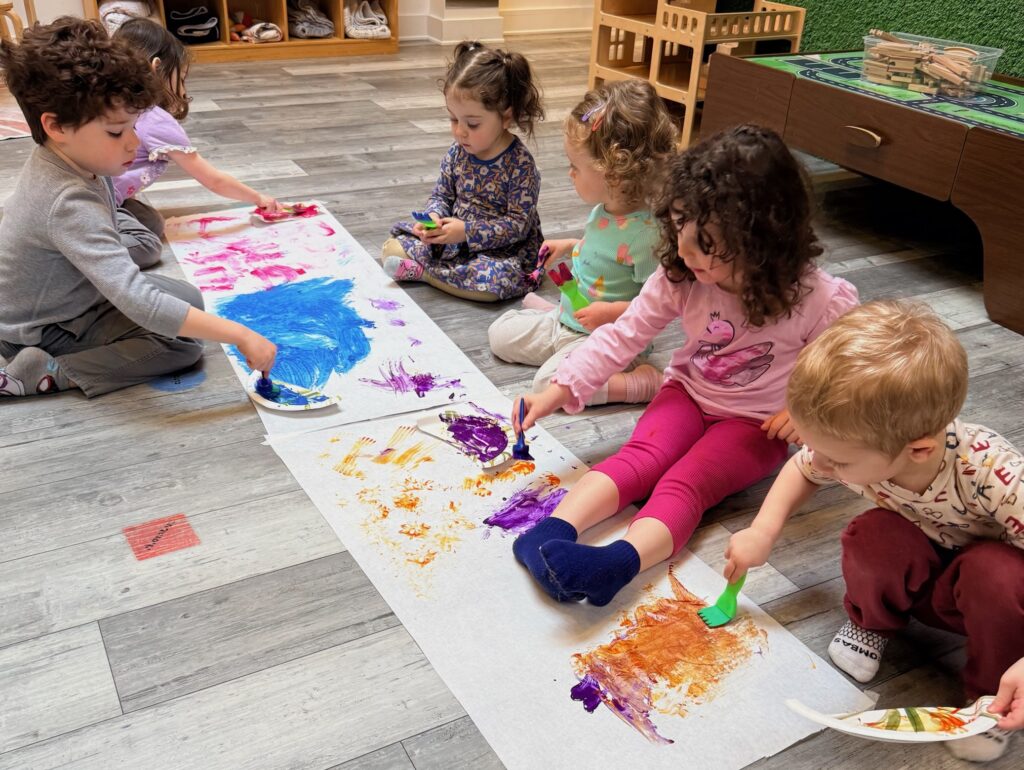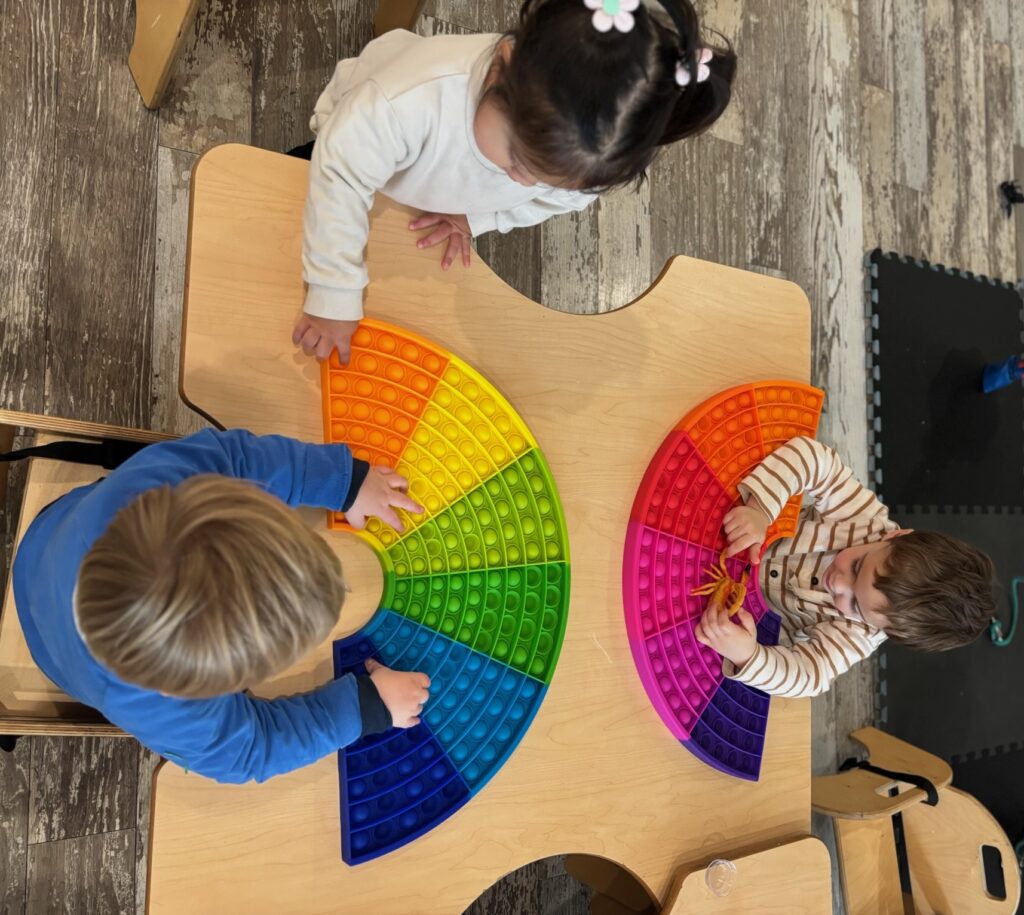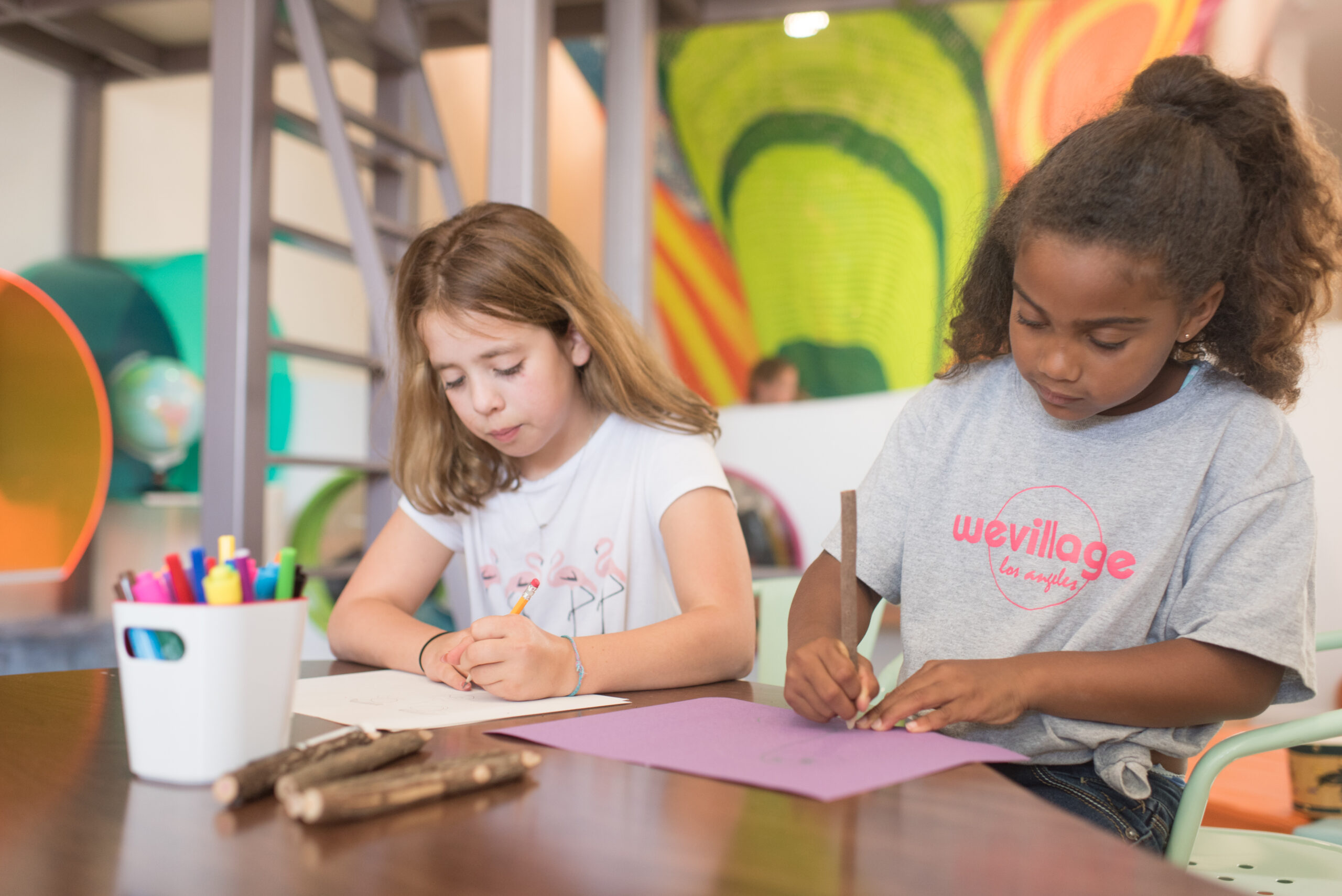
Inclusive early childhood education isn’t a trend — it’s one of the most meaningful decisions a preschool can make about who belongs in their classrooms. When children of all abilities and backgrounds learn alongside one another from the start, something essential happens: they grow into people who know how to see each other.
For families exploring preschool in Sherman Oaks, understanding what inclusion looks like in practice — and why it matters — is one of the most valuable questions you can ask during a school visit.
What Inclusive Early Childhood Education Actually Means
Inclusion means that children with disabilities, developmental differences, or diverse cultural backgrounds are fully part of the classroom — not pulled aside, not accommodated at the margins, but genuinely integrated into daily learning.
It’s a philosophy backed by decades of research and codified in law. The Individuals with Disabilities Education Act (IDEA) mandates that children with disabilities be educated in the least restrictive environment possible. Alongside that legal foundation, NAEYC’s position on inclusion makes clear that access alone isn’t enough — what matters is belonging and participation.
Early childhood is where this foundation is laid. The skills children build between ages 0 and 5 — empathy, communication, resilience — don’t happen in isolation. They happen in community.
7 Reasons It Benefits Every Child in the Room
1. Social skills develop faster in diverse environments
Children learn to navigate difference by experiencing it. Inclusive classrooms give every child a wider range of relationships to practice empathy, patience, and communication — skills no worksheet teaches.
2. Academic outcomes improve across the board
Research consistently shows that differentiated instruction — a hallmark of inclusive early education — helps all learners, not just those with identified needs. When teachers are trained to reach different learning styles, every child benefits.
3. Self-confidence grows when every child feels seen
Inclusive settings send a clear message: you belong here. Children who feel genuinely included engage more actively, take more learning risks, and build stronger self-images.
4. Acceptance becomes a default, not a lesson
Children who grow up learning alongside peers with different abilities and backgrounds don’t need to be taught acceptance — it becomes their baseline. That’s a gift that compounds over a lifetime.
5. Teachers become sharper, more intentional educators
The demands of inclusive classrooms produce better teachers. Co-teaching models, differentiated lesson planning, and the use of assistive tools push educators to be more creative and more attentive to each individual child.
6. Families become part of the learning, too
Inclusive programs don’t operate in silos. Strong family communication, regular partnership, and a genuine sense of community around each child’s development are structural features — not add-ons.
7. It prepares children for the actual world
The world children will grow up in is diverse. Schools that reflect that diversity aren’t just more equitable — they’re more honest. They prepare kids for real relationships, real workplaces, and real communities.
This is the kind of early education that happens at WeVillage every day. Explore our programs →
What to Look For in an Inclusive Preschool
Not every school that uses the word “inclusive” has built its program around the philosophy. When you visit a preschool, it’s worth asking:
- How does the school support children with varying learning needs or developmental timelines?
- Are teachers trained in differentiated instruction and co-teaching models?
- How does the school involve families in the learning process?
- What does a typical day look like for children at different ability levels?
A thoughtfully designed early education environment answers these questions with specifics — not generalities.
The Long View
Inclusive early childhood education isn’t just good for children with disabilities or special needs. It builds better humans — more empathetic, more adaptable, more capable of genuine connection. The research is clear. The legal framework supports it. And for families choosing a preschool in Sherman Oaks, it’s one of the most meaningful things to look for in a program.
Every child deserves a classroom where they belong completely. And every family deserves to know that the school they choose believes that, too.
Your village is waiting. WeVillage is early education designed for modern families — thoughtfully built, genuinely inclusive. Schedule a Tour →