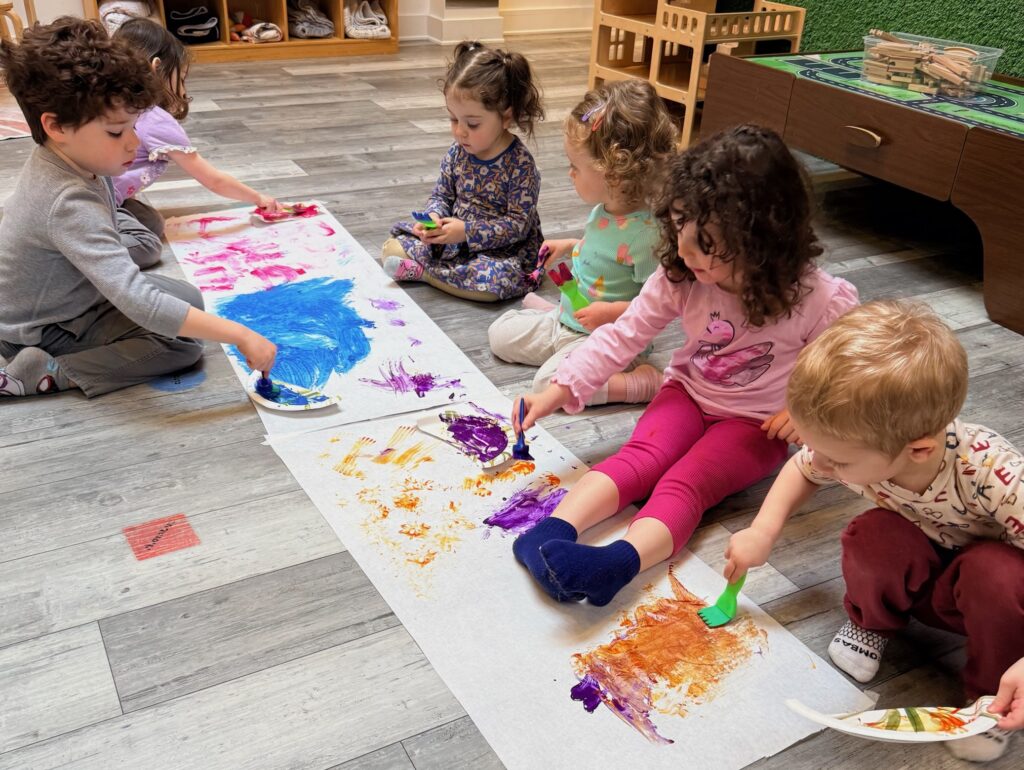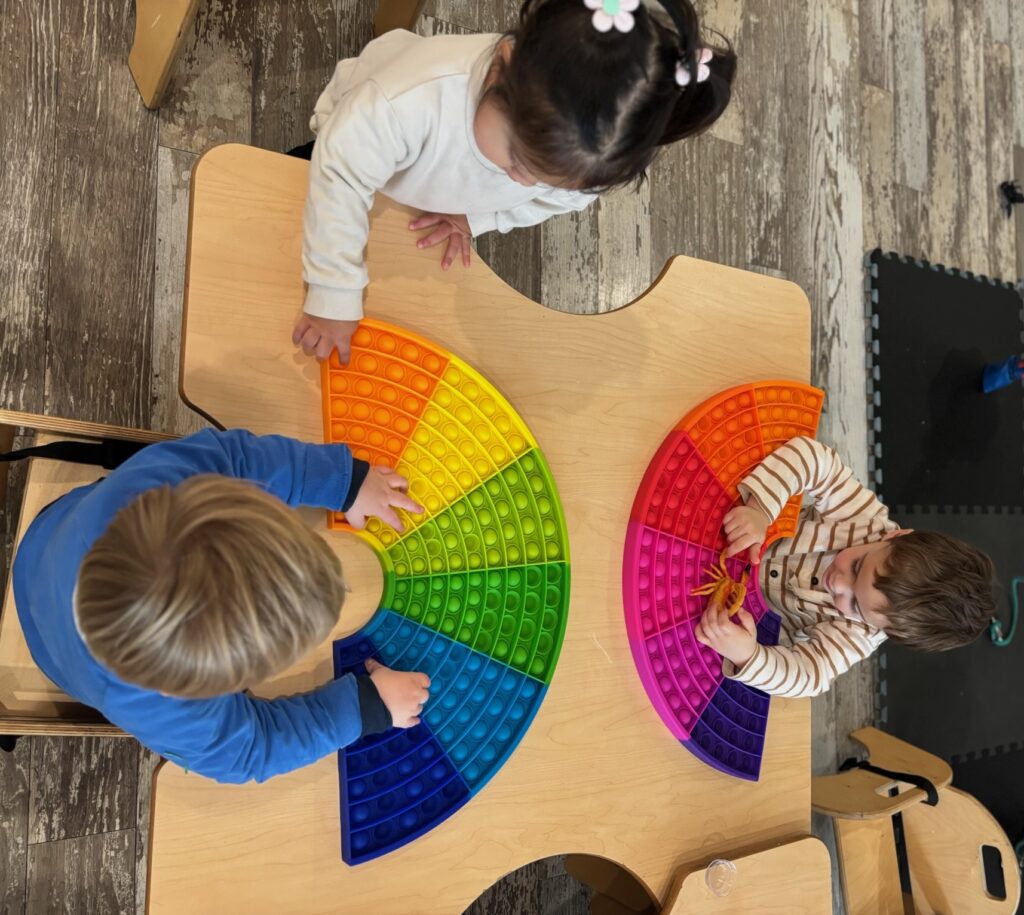
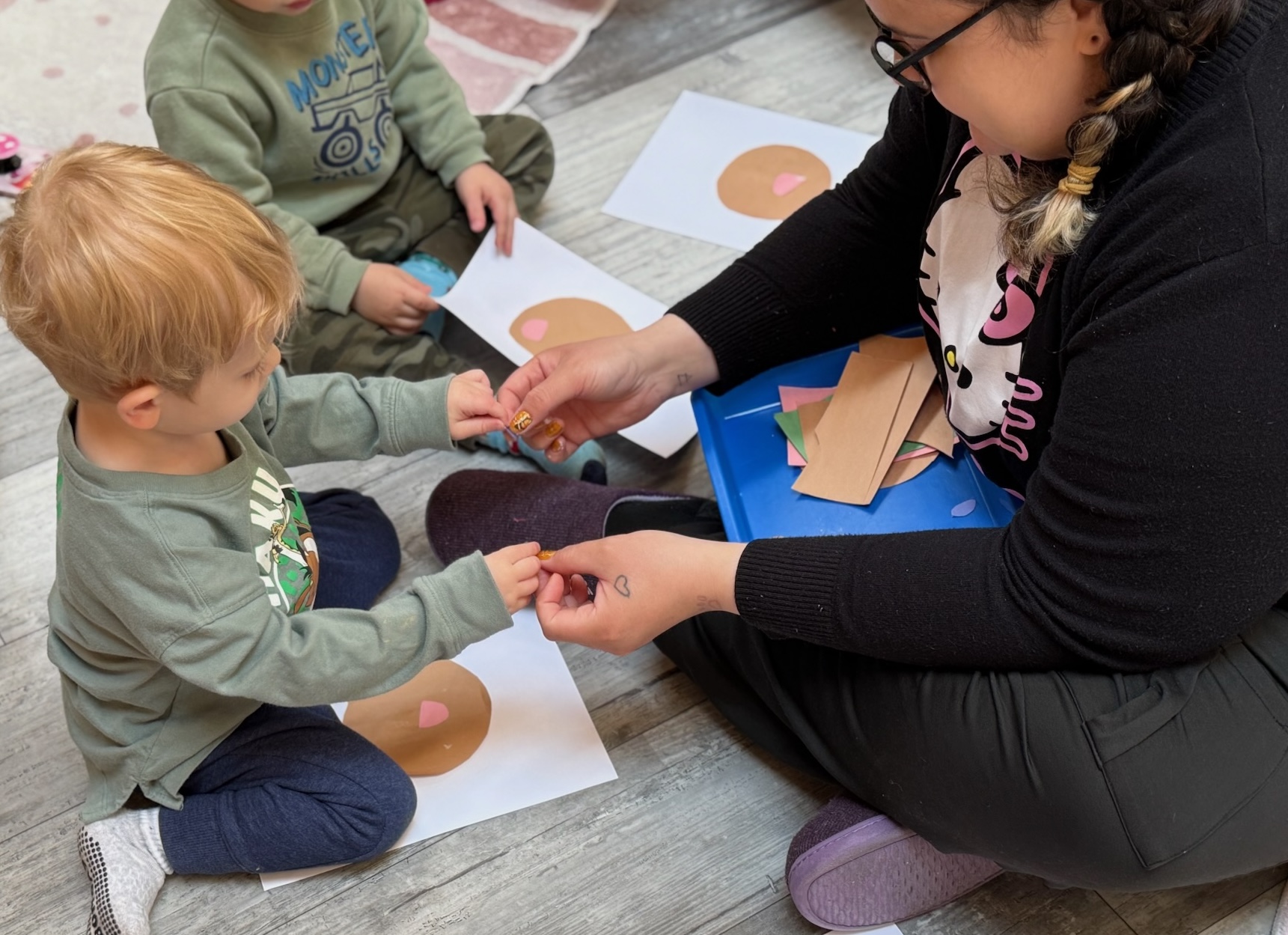
The research has been building for decades — and the conclusion is consistent. The long-term academic benefits of preschool extend far beyond kindergarten readiness. From high school graduation rates to college attendance to lifetime earnings, what happens in the early years of education shapes outcomes that follow a child for life.
If you’re weighing your options and wondering whether the quality of a program actually matters, the answer is clear: it does.
What “Quality” Actually Means in Early Education
Not every preschool delivers the same outcomes. The difference between a high-quality program and basic childcare comes down to a few non-negotiables: trained and credentialed educators, a research-based curriculum, low child-to-teacher ratios, and intentional environments designed for how young children actually learn.
Quality early education integrates academic skill-building — literacy, numeracy, language development — alongside social-emotional growth. Both matter. Research from NAEYC consistently shows that the two are inseparable in early childhood.
The 7 Long-Term Academic Benefits of Preschool
1. Stronger Kindergarten Readiness
Children who attend quality preschool programs consistently enter kindergarten with stronger vocabulary, better number sense, and more developed memory skills than peers without that foundation. These early advantages in academic readiness reduce the likelihood of early learning gaps before they form.
2. Higher High School Graduation Rates
The Perry Preschool Project followed participants for decades. Children who attended the program graduated from high school at significantly higher rates than the control group — a finding replicated across multiple long-term studies.
3. Greater College Attendance
The Abecedarian Project found that participants were four times more likely to graduate from college. The Chicago Child-Parent Centres showed increased college enrollment as well. Across the research, preschool participation is one of the strongest early predictors of post-secondary education.
4. Improved Executive Function and Self-Regulation
These aren’t soft skills — they’re foundational academic skills. Harvard’s Center on the Developing Child identifies executive function (planning, memory, impulse control) as central to classroom success at every grade level. Quality preschool builds these capacities during the precise developmental window when they form most efficiently.
5. Stronger Social-Emotional Skills That Last
The ability to manage emotions, cooperate with peers, and navigate conflict doesn’t develop automatically. It’s taught, practiced, and reinforced in structured early learning environments. Children who develop these skills in preschool show higher engagement, fewer behavioral interruptions, and stronger teacher-student relationships throughout their academic careers.
6. Reduced Need for Intervention Services
Quality preschool attendees are less likely to require special education placements or repeat a grade. This matters academically — continuity of progress matters — and it reflects the depth of developmental support a strong early education program provides.
7. Better Career and Earnings Outcomes
The Abecedarian Project showed a 13% annual return on investment through improved education, higher earnings, and reduced social costs. The Perry Preschool Project found better employment outcomes for participants well into adulthood. Early education isn’t just about academic outcomes — it’s about building the capacity for a productive life.
This is the kind of intentional, research-backed learning that happens at WeVillage every day. Explore our programs →
The “Fade-Out” Myth — and Why It Misses the Point
A common objection to investing in preschool is the so-called “fade-out effect” — the observation that test score differences between preschool attendees and non-attendees sometimes narrow by third grade. But test scores are one narrow slice of what research actually tracks.
Long-term studies measure graduation, employment, and health outcomes — and those gaps don’t close. They widen. The fade-out argument conflates short-term test performance with long-term human development. The research doesn’t support the conclusion that preschool doesn’t work. It suggests that what follows preschool needs to sustain the momentum it starts.
What to Look For in a Preschool Program
If the research makes one thing clear, it’s that access to any preschool isn’t the same as access to quality preschool. When evaluating programs, look for:
- Credentialed educators with training in early childhood development
- A structured, intentional curriculum — not just supervised play
- Small class sizes with real teacher-to-child ratios
- A learning environment designed for how young children develop
- A demonstrated commitment to social-emotional growth alongside academics
The structure, the teaching philosophy, and the environment all shape outcomes. They’re worth examining closely.
The evidence for the long-term academic benefits of preschool is not theoretical — it’s longitudinal, replicable, and consistent across decades of US-based research. For families who care about the foundation they’re building, the quality of early education is one of the most consequential decisions they’ll make.
Your village is waiting. WeVillage is early education designed for modern families. Schedule a Tour →