Toddler hitting behavior catches most parents off guard — and then catches them again, and again. It’s one of the most common challenges in early childhood, and one of the most misunderstood. Understanding what’s actually driving it changes how you respond, and how your child learns.
Why Toddler Hitting Behavior Is Normal (Not a Red Flag)
Toddlers are not hitting because they’re bad kids or because something is wrong with your parenting. They’re hitting because their brains are in the middle of an extraordinary period of growth — and the part responsible for impulse control won’t fully mature for years.
According to the American Academy of Pediatrics, aggression in toddlers ages 1–4 is a predictable stage of social-emotional development. The emotions are real and intense. The tools to handle them are still being built.
When a toddler hits, they’re communicating something they don’t yet have the words for.
5 Root Causes Worth Understanding
1. Impulse control is still developing. The prefrontal cortex — the region that manages self-regulation — is far from finished in a toddler’s brain. When a big feeling arrives, action comes before thought. That’s biology, not defiance.
2. Language hasn’t caught up to emotion yet. When a child can’t say “I’m frustrated” or “I need help,” they find another outlet. Hitting is often a language substitute, especially common in children still expanding their vocabulary.
3. Overstimulation and fatigue lower the threshold. A tired or overstimulated toddler has even less capacity to regulate. Noise, crowds, or a disrupted routine can tip a child into reaction before they’ve had a chance to process what they’re feeling.
4. Testing limits is part of the job. Toddlers are wired to explore cause and effect — including social cause and effect. “What happens when I do this?” is a genuine developmental question. Consistent, calm responses are how boundaries become real to them.
5. Imitation is how toddlers learn everything. Children absorb and replicate what they observe — in people, in play, and yes, in media. Hitting modeled in any context may be repeated without any understanding of its impact.
Ready to see how WeVillage approaches early childhood development in practice? Explore our programs →
How to Respond When Your Toddler Hits
Stay regulated yourself first. Your calm is the most powerful tool you have. A quiet, grounded response — “Hitting hurts. I’m here to help.” — models exactly the emotional regulation you want your child to develop. Reacting with anger or volume escalates rather than teaches.
Set boundaries simply and consistently. Toddlers learn from repetition, not complexity. Use the same clear language every time, delivered without drama. Consistent responses are how children begin to internalize what’s expected.
Name the feeling, then offer an alternative. “I can see you’re really frustrated right now. Let’s stomp our feet instead.” Narrating emotions helps children build the vocabulary to eventually do it themselves. That process takes time — but it starts here.
Redirect before the moment peaks. If you can recognize your child’s signs of building frustration, a well-timed redirect can prevent the hit entirely. A different activity, a change of scenery, or a quiet break can reset the moment before it escalates.
When to Talk to a Specialist
Occasional hitting is expected. But if the behavior is intensifying over time, happening frequently across many different settings, or paired with other developmental concerns — speech delays, social withdrawal, regression — it’s worth a conversation with your pediatrician.
Zero to Three offers research-backed guidance for parents navigating early childhood behavior, and can help you understand what falls within the range of typical development and what warrants additional support.
What a Thoughtful Environment Does Differently
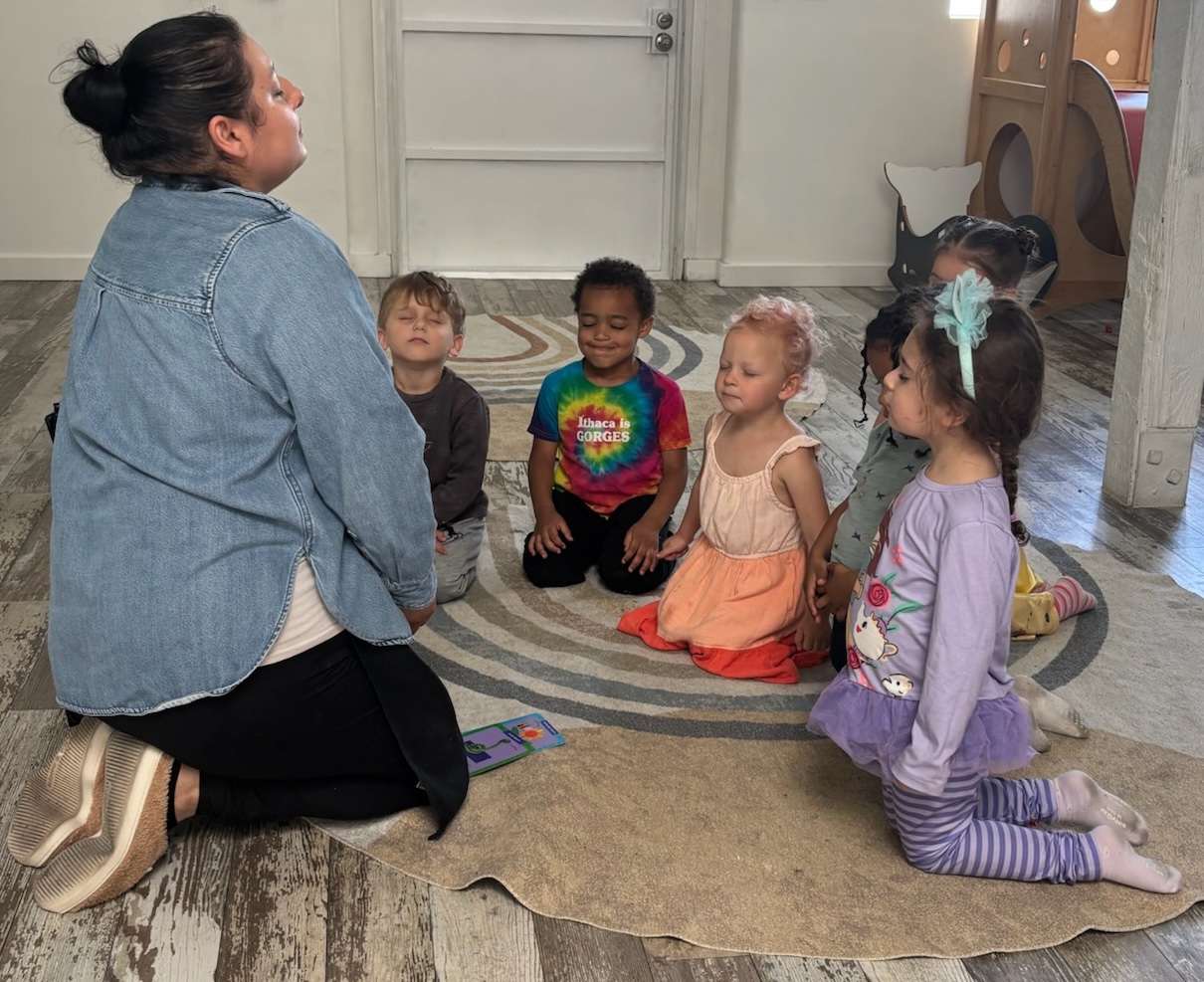
In early education settings grounded in social-emotional learning, toddler behavior isn’t managed — it’s understood. Educators who know your child well can anticipate triggers, name feelings before they escalate, and help children build the language they need to communicate instead of act out.
Predictable routines, calm environments, and teachers trained in emotional development aren’t extras. They’re the foundation. They’re also what separates genuine early education from supervised care.
Explore how WeVillage approaches learning →
Toddler hitting is a signal — not a verdict. With consistent responses, emotional coaching, and the right environment, children move through this stage and come out with stronger tools for expressing themselves. That growth is exactly what early education is designed to support.
Your village is waiting. WeVillage is early education designed for modern families — where every child is known, and every stage is supported. Schedule a Tour →