Positive discipline for young children isn’t a parenting trend — it’s one of the most well-researched approaches to early childhood guidance we have. Rooted in the work of psychologists Alfred Adler and Rudolf Dreikurs and later developed into practical tools by Dr. Jane Nelsen, it’s built on a simple premise: children do better when they feel better.
That means fewer punishments. More connection. And a lot more long-term results.
Why Young Children Respond Differently to Discipline
Toddlers and preschoolers aren’t being defiant on purpose. Their brains — specifically the regions that govern emotion and impulse control — are still forming. Tantrums, meltdowns, and big feelings are developmentally normal, not character flaws.
Positive discipline works because it meets children where their development actually is. Rather than suppressing behavior with fear, it builds the internal skills — self-regulation, empathy, problem-solving — that children need for life.
This is why NAEYC recommends guidance-based approaches over punitive ones, particularly in the preschool years.
7 Reasons Positive Discipline Works — and Lasts
1. It Teaches Instead of Punishes
A child who throws a toy isn’t bad. They’re communicating something they don’t yet have the words for. Positive discipline turns that moment into a learning opportunity: “I can see you’re frustrated. Let’s find a safe way to show that.”
2. It Builds Emotional Intelligence
When adults name feelings out loud and respond with calm, children learn to do the same. Over time, this builds the emotional vocabulary and self-awareness that research consistently ties to school readiness and healthy relationships.
3. It Reduces Aggression — Not Just In the Moment
Studies show that children raised with consistent, connection-based guidance display lower rates of aggression and anxiety long-term. The feeling of safety is what makes the difference.
4. It Strengthens the Adult-Child Relationship
Trust isn’t built through control. It’s built through consistency, warmth, and repair. Positive discipline — including modeling apologies after a hard moment — teaches children that relationships can hold conflict and come back stronger.
5. It Respects How Children Actually Think
Limited choices (“Do you want the red shirt or the blue one?”) work because they give children a sense of agency within a boundary. That’s developmentally appropriate. Demanding compliance without context isn’t — and it usually backfires.
6. It Promotes Social Skills That Transfer
Turn-taking, listening, collaborative problem-solving — these don’t happen by accident. They’re practiced through hundreds of small, guided moments. That’s exactly what Zero to Three’s research on social-emotional development points to as foundational to early learning.
7. It Works for Strong-Willed Children, Too
The children who push back hardest on rigid control often thrive most with structured respect. Clear expectations delivered with warmth are not a soft approach — they’re a firm one that strong-willed kids can actually receive.
This is the kind of learning that happens at WeVillage every day — classrooms built around guidance, connection, and real curriculum. Explore our programs →
How to Start Using Positive Discipline at Home
You don’t need to overhaul everything. Start with one shift this week.
Use positive language. “Walk, please” instead of “Stop running.” The brain responds better to being told what to do than what not to.
Try a time-in. Instead of a timeout, sit with your child while they calm down. Name what you see. Stay regulated yourself. That co-regulation is how children eventually learn to self-regulate.
Offer two choices. Keep them real and both acceptable. This small move reduces power struggles by giving children a genuine sense of control.
Repair after hard moments. A simple “I raised my voice and I’m sorry — let me try that again” is one of the most powerful things a parent can model.
Consistent routines matter, too. When children know what to expect, they’re less likely to test limits — because they already feel secure.
What This Looks Like in a Classroom
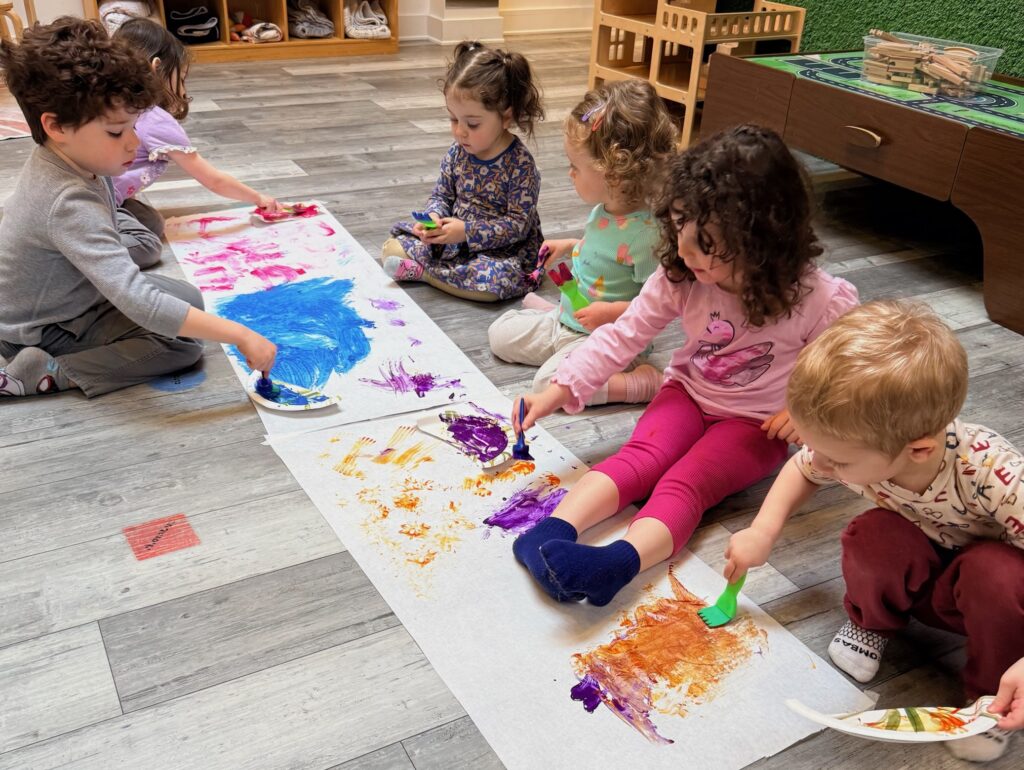
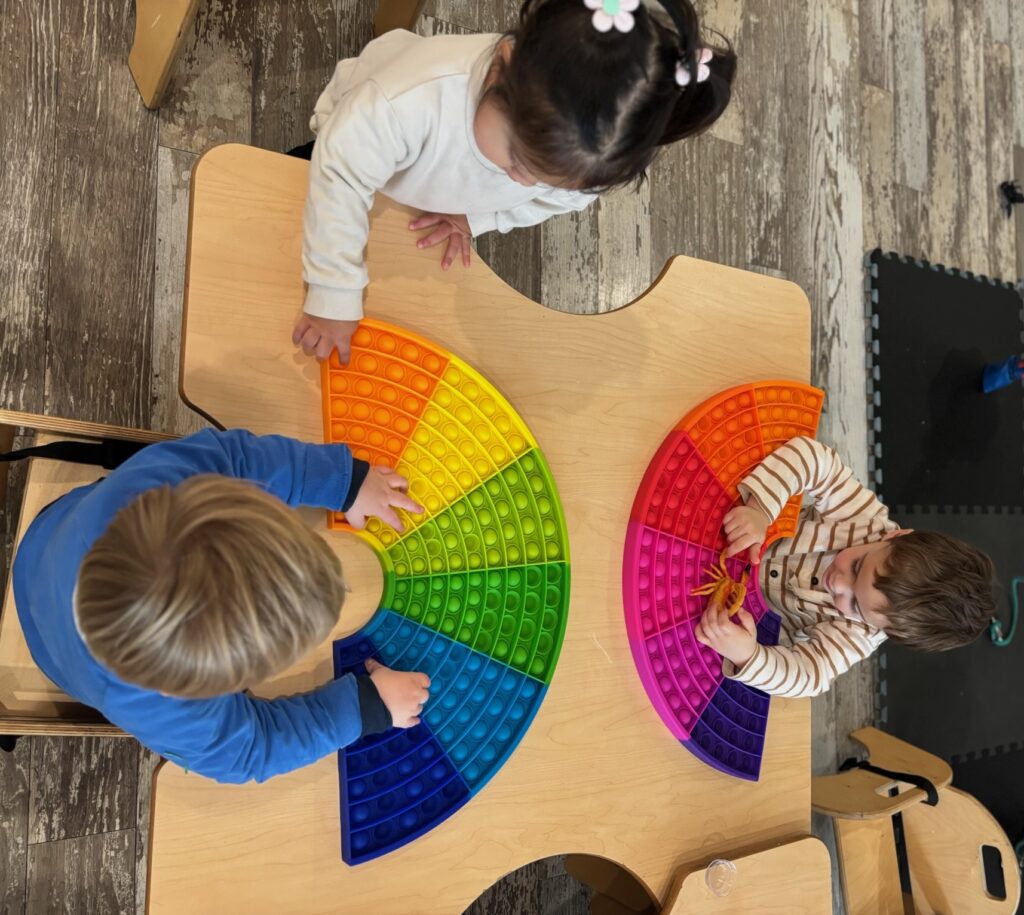
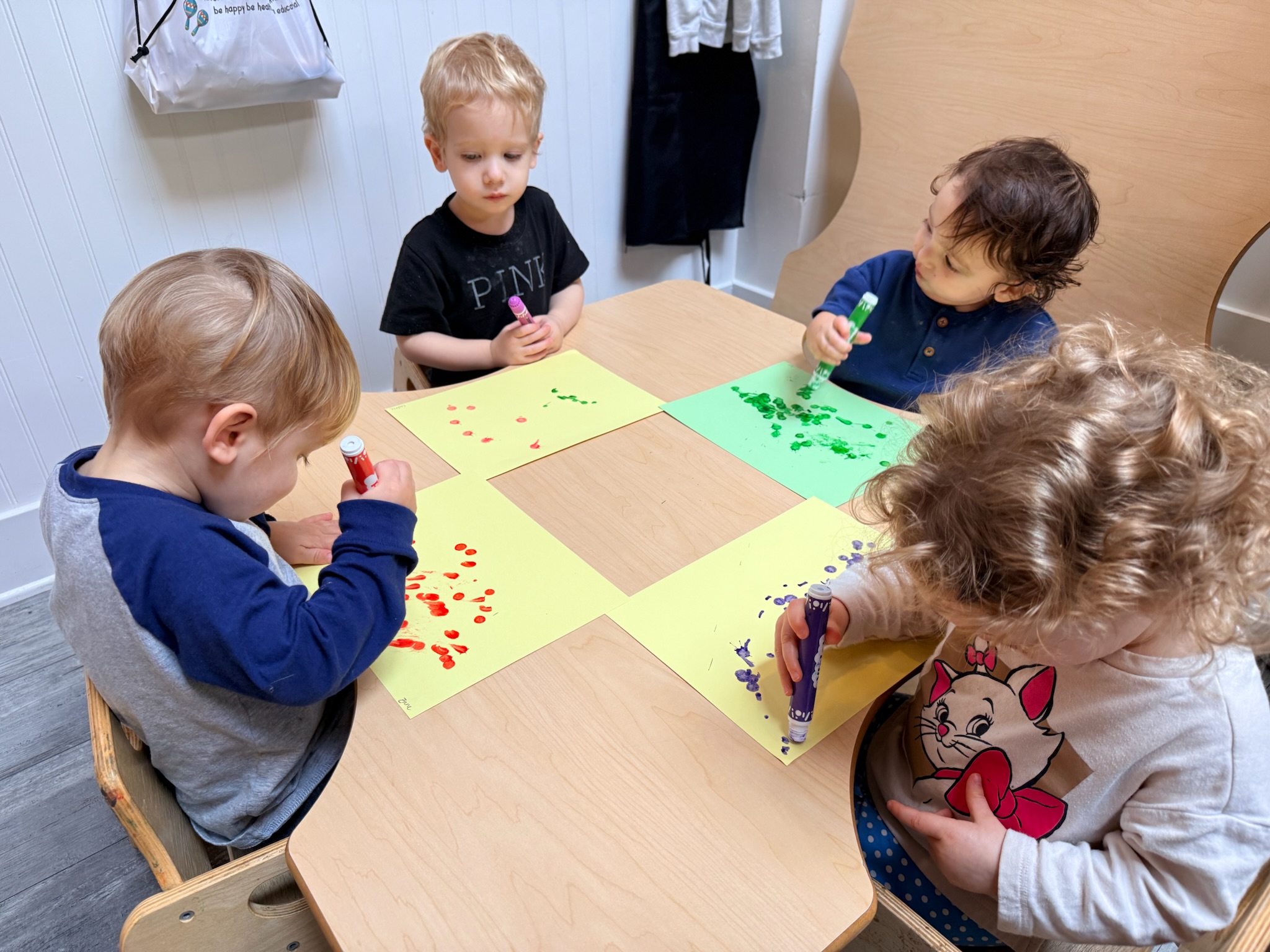
At WeVillage, positive discipline isn’t a philosophy posted on a wall. It’s the way our educators are trained to respond — with warmth, consistency, and genuine attention to what each child is communicating.
Our teachers know your child by name, by personality, and by what sets them off at 10am on a Tuesday. That relationship is what makes everything else possible. See how our programs are designed →
Your village is waiting. WeVillage is early education designed for modern families — curriculum-rich, flexible, and built on real relationships. Schedule a Tour →