Structure isn’t the opposite of play — it’s what makes play possible. In early childhood education, routines are one of the most powerful tools educators and parents share. They reduce anxiety, build confidence, and quietly teach children how to move through the world.
And the research backs it up. NAEYC has long documented the connection between consistent daily structure and children’s social-emotional development. What’s happening in those repeated moments — the hand-washing before lunch, the quiet signal that signals cleanup time — is far more developmental than it looks.
Here are seven ways daily routines shape how young children grow.
1. Routines Build Emotional Security
When a child knows what comes next, they feel in control. That predictability lowers anxiety and gives young children the safety they need to take risks — trying new things, making friends, asking questions.
This emotional grounding is foundational. A child who feels secure in their environment is a child who’s ready to learn.
2. They Develop Self-Regulation
Self-regulation — the ability to manage emotions and behavior — doesn’t develop on its own. It’s built through thousands of small, repeated moments: waiting for a turn, transitioning from one activity to the next, following a sequence without being reminded.
Daily routines are the training ground. Children who experience consistent structure from an early age are better equipped to manage frustration, focus their attention, and recover from setbacks.
3. Routines Strengthen Social Skills
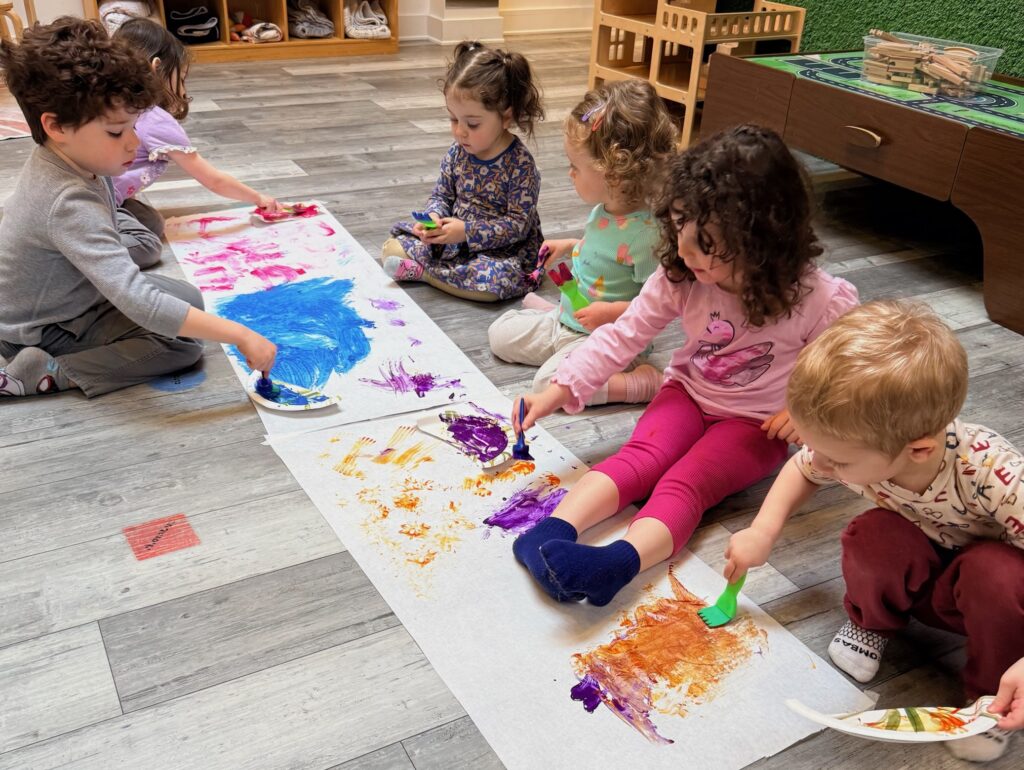
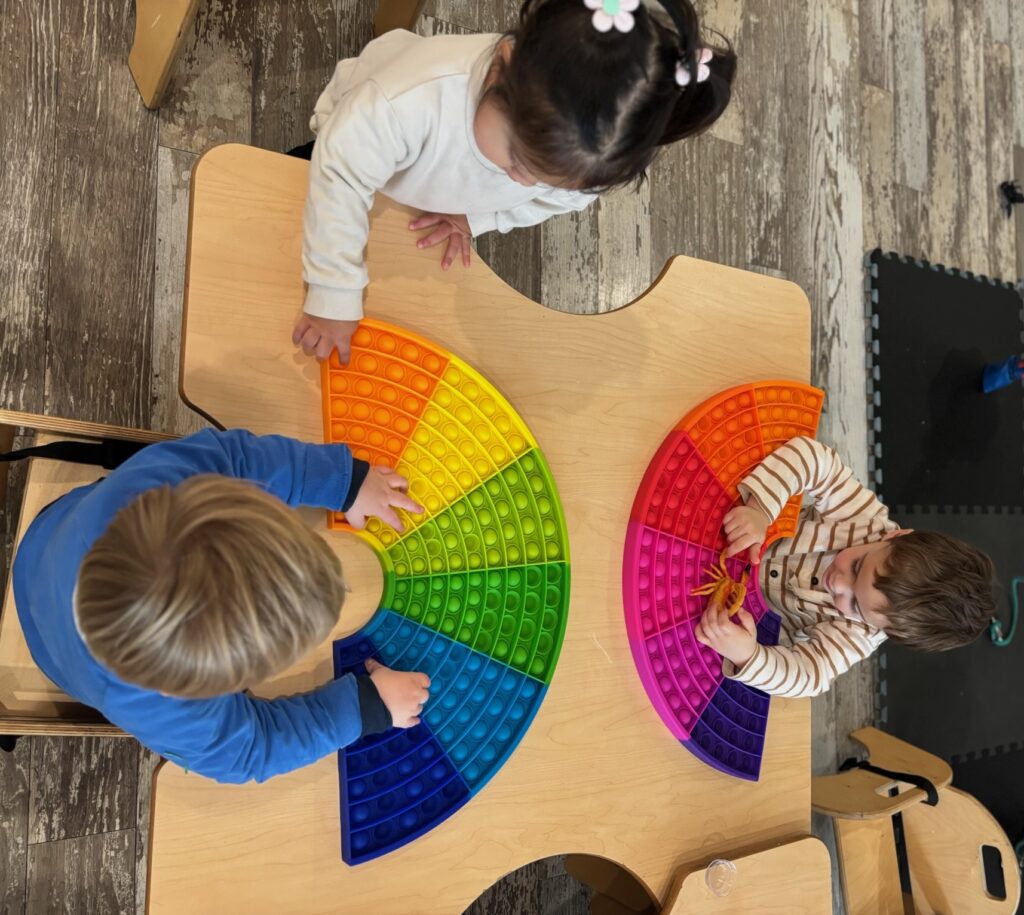
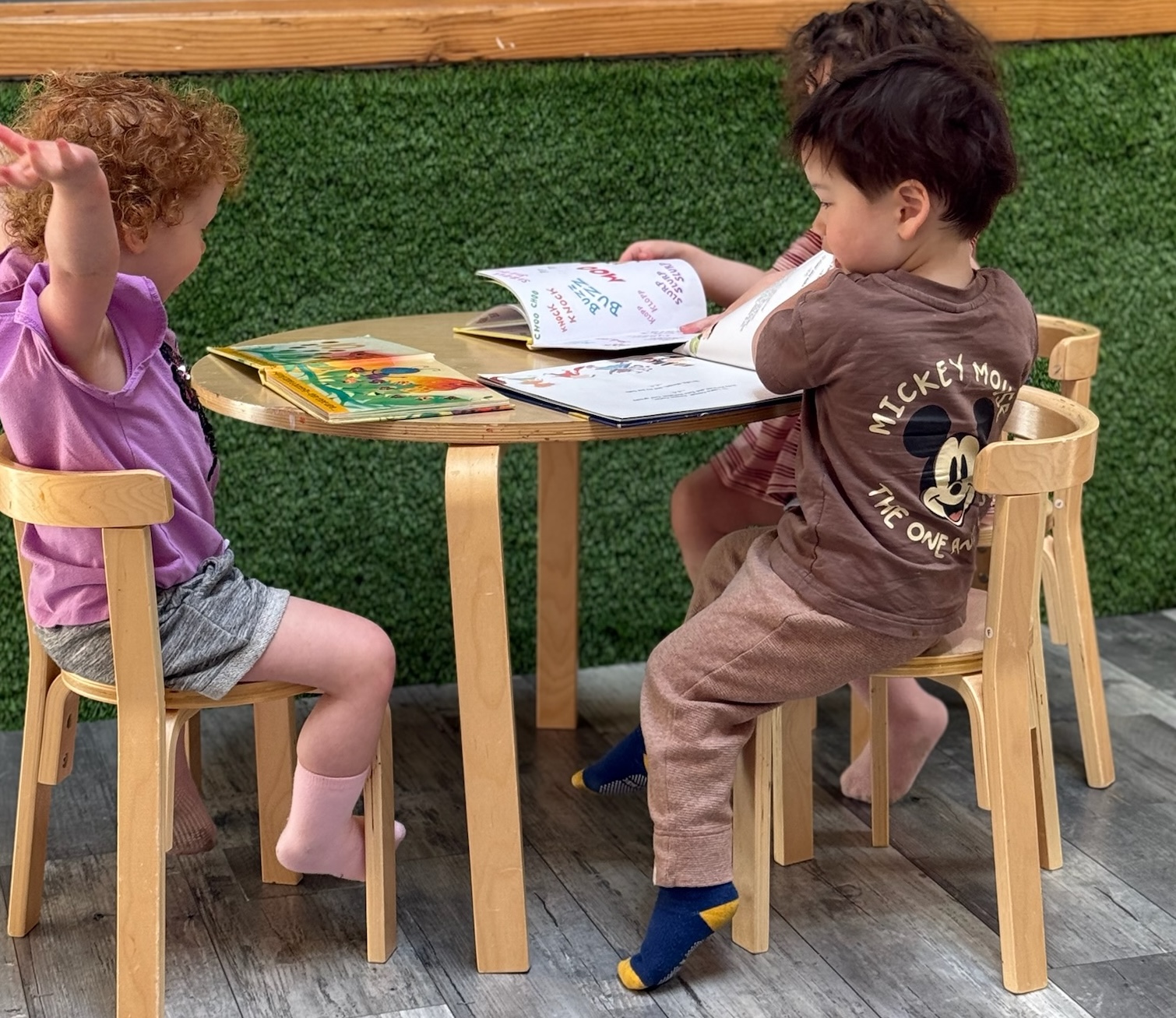
Group routines — circle time, family-style meals, cleanup — are quietly teaching children how to exist alongside others. How to listen when someone else is talking. How to wait. How to participate.
These aren’t incidental side effects. They’re deliberate outcomes of well-designed early childhood education environments. Zero to Three identifies early peer interaction within structured settings as a critical precursor to later social competence.
This is the kind of learning that happens at WeVillage every day. Explore our programs →
4. They Support Cognitive Development
Structured daily schedules help children concentrate. When a child doesn’t have to wonder what’s happening next, their cognitive resources are freed up for the work of learning — absorbing new information, building language, making connections.
Over time, the mental habits built through routine become the scaffolding for academic readiness: attention span, memory, sequential thinking. The research is consistent on this.
5. Routines Encourage Independence
A child who knows the routine doesn’t need to be told what to do at every step. They learn to put on their shoes, pack their bag, clear their place at the table — not because they’re told, but because the structure has become internalized.
That independence builds a genuine sense of accomplishment. And accomplishment builds confidence.
6. They Improve Behavior — Without Power Struggles
Many behavioral challenges in early childhood stem from uncertainty. When children don’t know what’s expected, they test limits. Consistent routines remove that ambiguity.
Clear expectations, repeated predictably, reduce the friction that leads to conflict. Educators see this in every classroom: the smoother the transitions, the more cooperative the group.
7. Routines Bridge School and Home
A child whose school routines are reinforced at home — similar meal rhythms, a consistent bedtime sequence, familiar morning habits — experiences a more cohesive world. Less cognitive whiplash between environments means more energy available for growth.
The most effective early education partnerships are the ones where educators and families share strategies and align expectations. Structure at school lands differently when it’s echoed at home.
At WeVillage, our educators thoughtfully design daily rhythms for every age group — from infants and toddlers building their first sense of predictability, to preschoolers developing independence through structured classroom routines. Every part of the day is intentional.
Want to see it in action? Schedule a tour and we’ll walk you through what a day looks like for your child’s age group.
Your village is waiting. WeVillage is early education designed for modern families. Schedule a Tour →