Quality early education isn’t just about what children learn — it’s about the environment they learn it in. Health and safety in early education settings form the foundation that makes everything else possible: the exploration, the friendships, the development. When families are researching preschools in Sherman Oaks and beyond, understanding what rigorous safety looks like is the first step toward choosing with confidence.
Here’s what the best programs do — and what you should look for when you visit.
1. Hygiene Protocols Built Into the Daily Rhythm
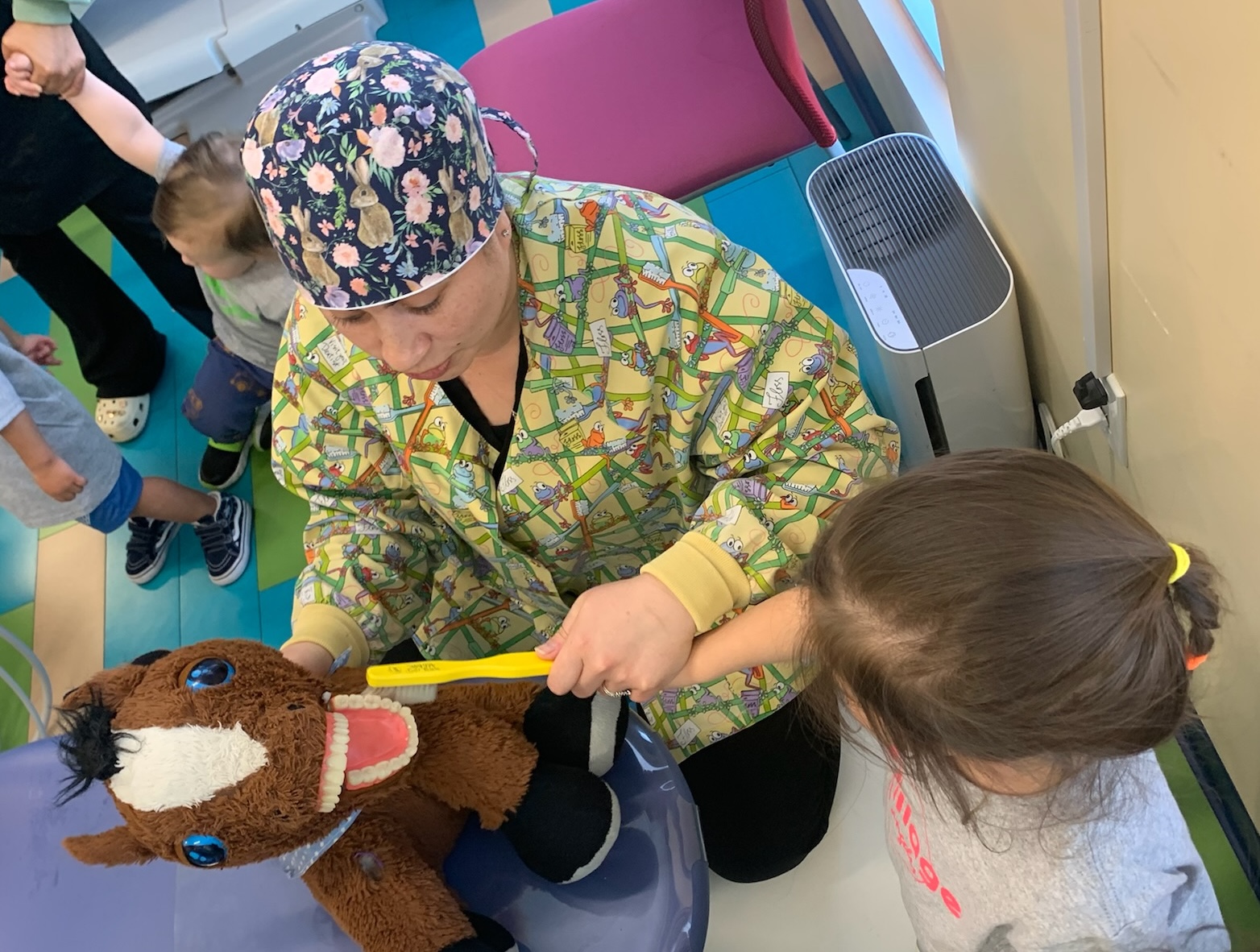
Handwashing isn’t a reminder posted on a wall. In a well-run early education program, it’s woven into transitions throughout the day — before meals, after outdoor play, after using the restroom. The same intentionality applies to how classrooms are sanitized and how toys and shared surfaces are cleaned between use.
Non-toxic, child-safe products matter here. Ask any program you’re considering: what do you use, and how often?
2. Clear Illness Exclusion Policies — and Consistent Enforcement
Group settings concentrate risk. Programs that take health seriously have written illness exclusion policies and apply them consistently. At WeVillage, children must be symptom-free for 24 hours before returning — and families are notified promptly if a child becomes unwell during the day.
This kind of transparency isn’t just practical. It signals how a program handles difficult conversations with families.
3. Thoughtful Food Safety and Allergy Management
Meals at a quality early education program are prepared with intention — age-appropriate, nutritionally balanced, and allergy-conscious. Staff should be trained to recognize allergic reactions and respond quickly. Dietary needs and cultural preferences should be accommodated through direct communication with families, not managed through a generic form.
At WeVillage, snacks and lunches are prepared onsite, with weekly menus posted for families and individual accommodations made as needed.
4. Physically Safe Environments — Indoors and Out
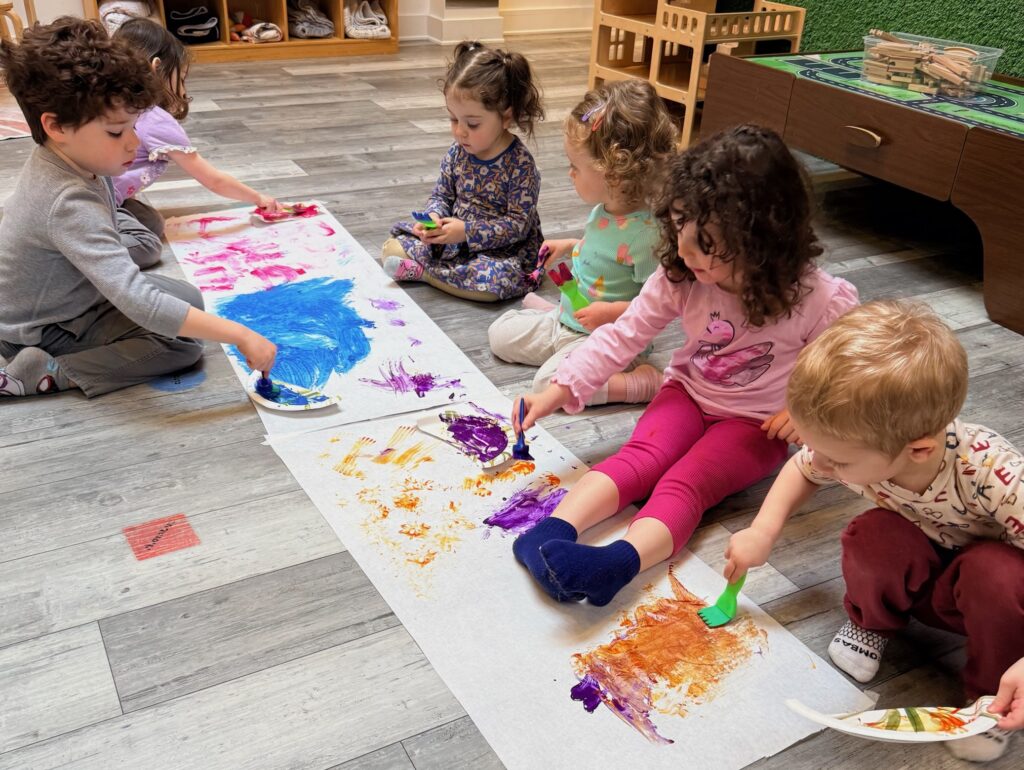
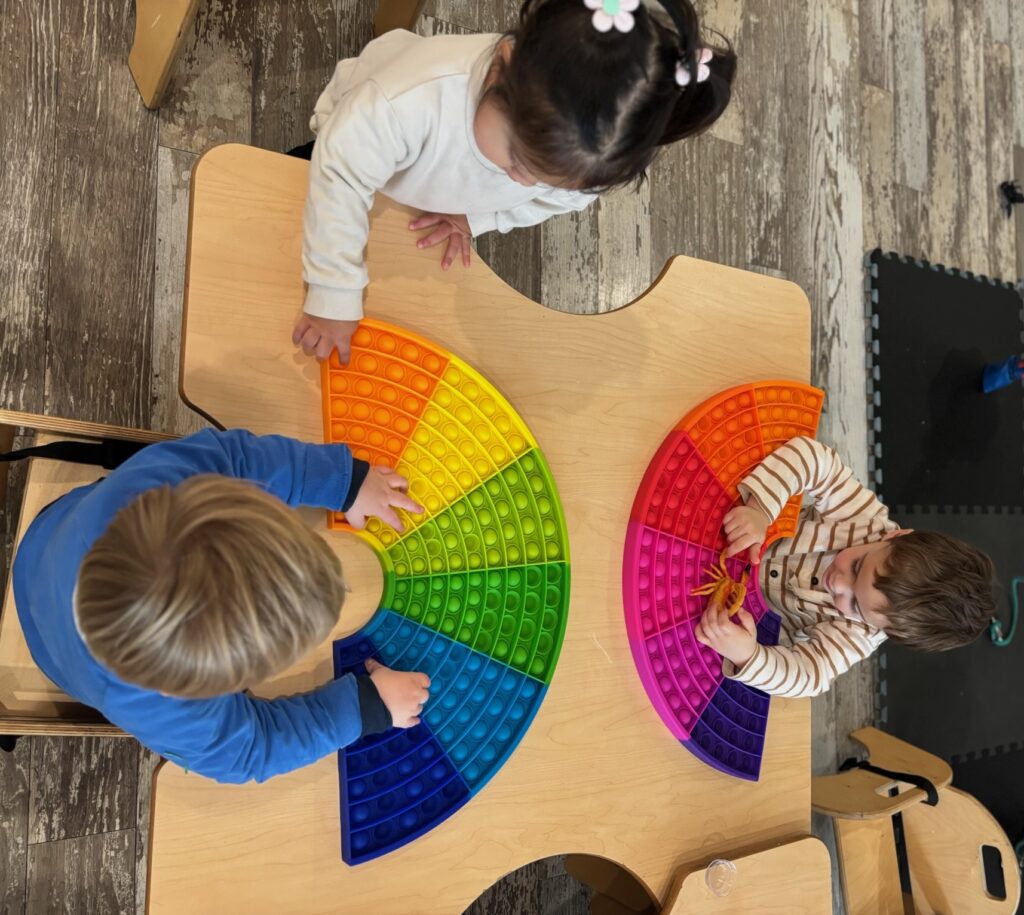
Safety isn’t a checklist item. It’s a design philosophy. Age-appropriate materials, secure entry and exit points, cushioned outdoor surfaces, and thoughtfully arranged classroom environments all reduce risk while supporting active, engaged learning.
According to the American Academy of Pediatrics, the physical environment directly influences both safety outcomes and learning quality — a connection that strong early education programs treat as inseparable.
This is the kind of intentional environment you’ll find at WeVillage. Explore our programs →
5. Qualified Staff with Current CPR and First Aid Certification
Credentials matter. Every staff member in a quality early education program should hold current CPR and pediatric first aid certification — not just the director. Ask about it directly when you visit.
Beyond certifications, look for consistency: low teacher-to-child ratios and teachers who stay. Relationships between educators and children are at the heart of what NAEYC research consistently identifies as the most significant driver of early learning outcomes.
6. Emotional Safety Is Part of the Safety Picture
Physical safety and emotional safety aren’t separate categories. Children thrive when their environment is predictable, their relationships with caregivers are consistent, and their feelings are acknowledged. Programs that understand this build it into their daily structure — not as an add-on, but as the foundation.
Look for predictable daily rhythms, responsive caregiving, and a culture that treats emotional well-being as seriously as physical safety.
7. Transparent Communication With Families
Same-day incident reports. Wellness policies shared at enrollment. Clear contact information for staff and administrators. These aren’t extras — they’re the baseline for how a quality early education program operates.
The best programs treat family communication as a partnership, not a notification system.
Health and safety in early education is not a single policy or a laminated procedure guide. It’s the sum of hundreds of daily decisions made by prepared, attentive educators inside a thoughtfully designed environment.
When you tour a program, you’ll feel the difference. The question is knowing what to look for.
Your village is waiting. WeVillage is early education designed for modern families — where a real curriculum meets the environment your child deserves. Schedule a Tour →